



Materials, Finishes & Slip Ratings Explained
Choosing the right tile involves more than selecting a colour or pattern - it’s about understanding the material, finish, and slip rating that best suit your space. These three factors affect how a surface looks, feels, and performs.
Whether you’re renovating a home or specifying for a large-scale project, this guide explains what each term means and where they’re best used.
Tile Materials
Tile materials refer to the base composition of the tile - what it’s made from and how it’s manufactured. Each material offers different benefits in terms of durability, maintenance, cost, and appearance.
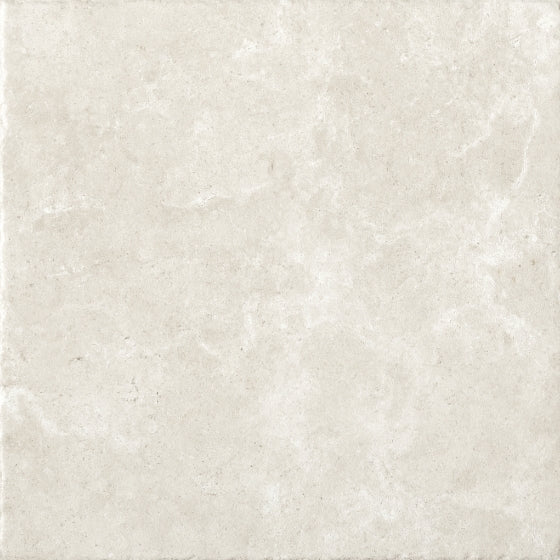
Porcelain
Porcelain tiles are dense, durable, and resistant to moisture, stains, and wear. They’re suitable for both residential and commercial spaces, indoors and outdoors.
Best for: Kitchens, bathrooms, outdoor living, and high-traffic
areas.
Benefits: Hardwearing, water-resistant, low maintenance, and
consistent in finish.
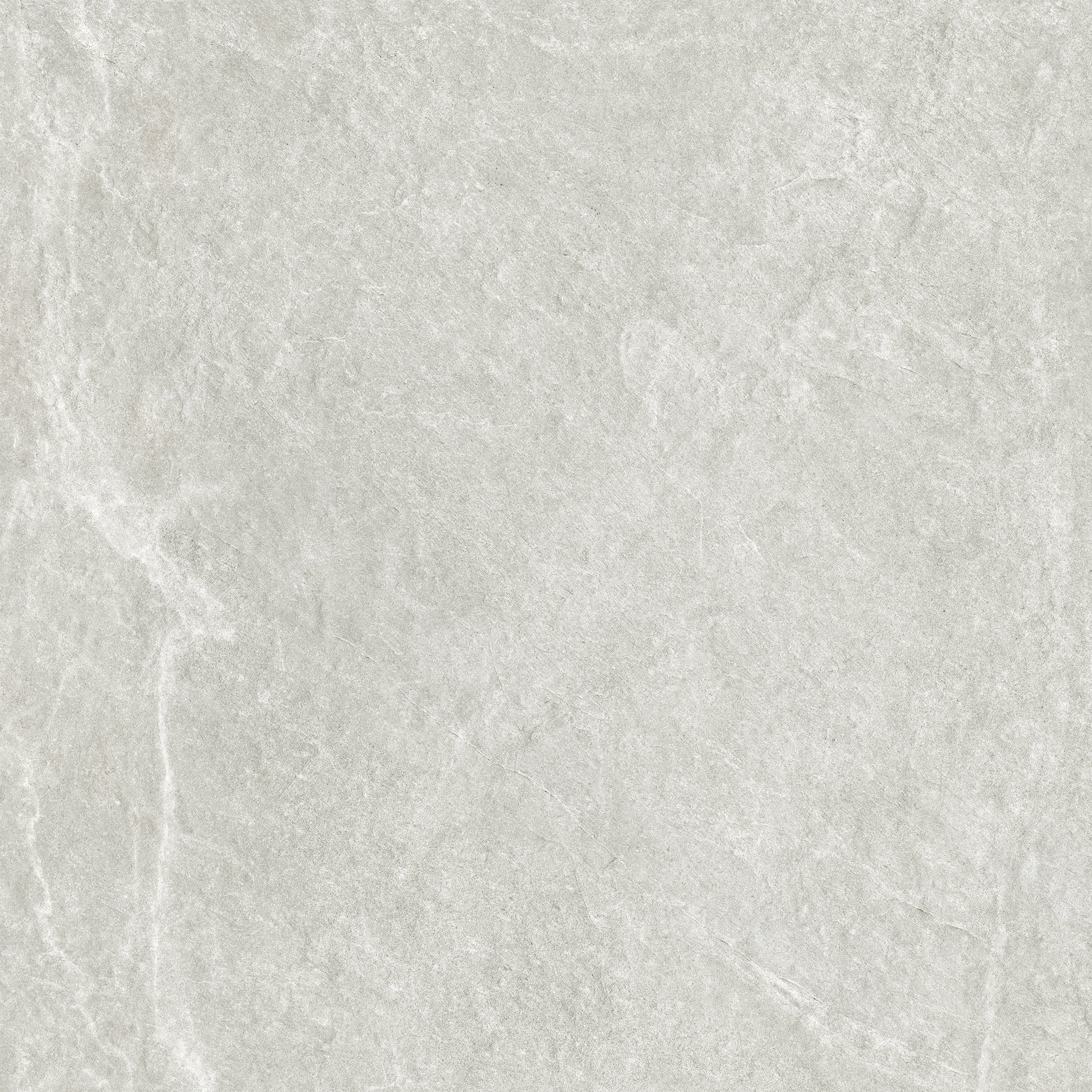
Ceramic
Ceramic tiles are crafted from natural clay and fired at lower temperatures than porcelain. They’re lighter, easier to cut, and often used for walls or low-traffic areas.
Best for: Indoor walls, splashbacks, and light-traffic floors.
Benefits: Lightweight, cost-effective, and available in decorative designs.
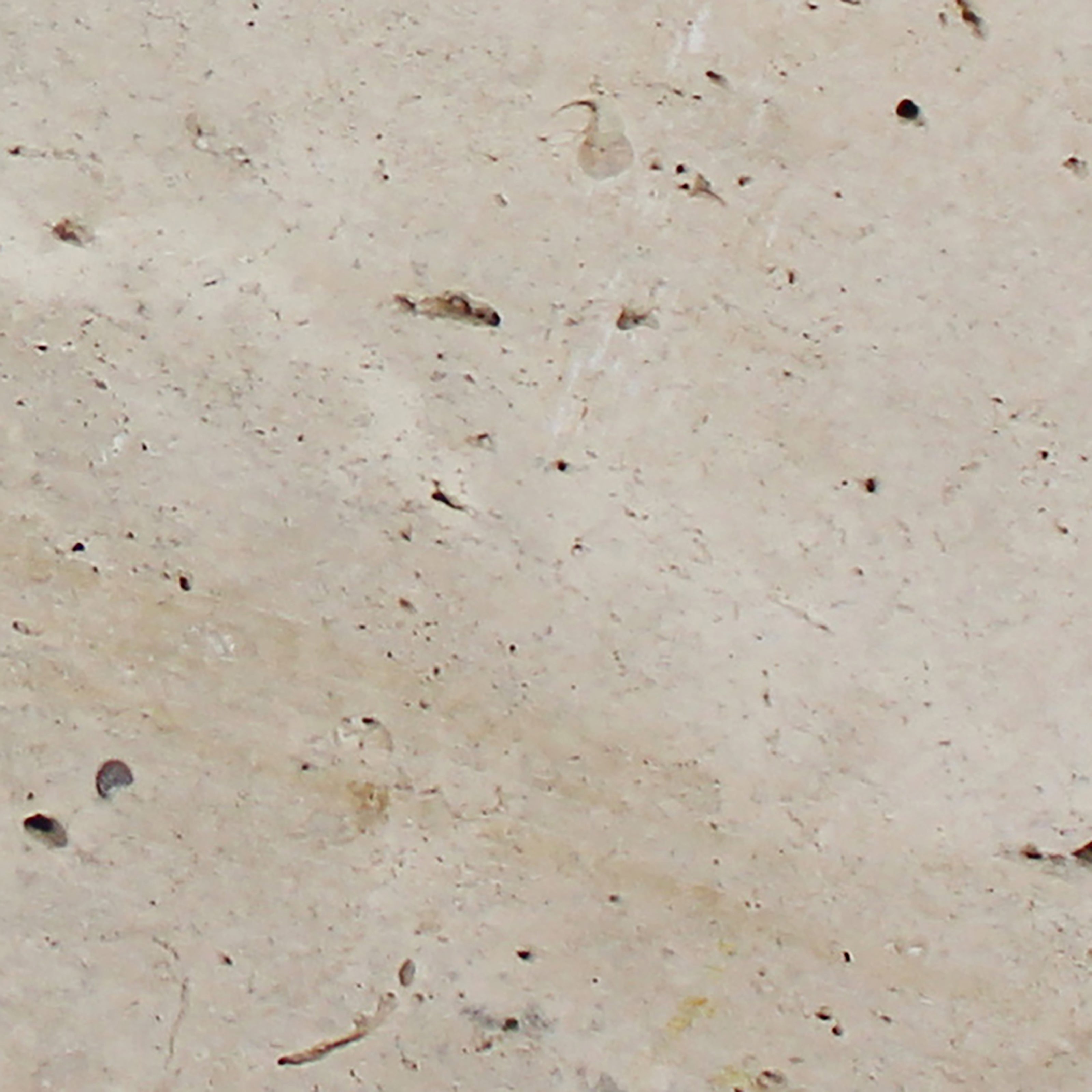
Natural Stone
Each natural stone tile is unique, offering variation in tone and texture that adds character and depth. Options like marble, travertine, and limestone bring warmth and luxury to a space. Regular sealing and maintenance help preserve their beauty.
Best for: Luxury bathrooms, feature floors, and architectural interiors.
Benefits: Natural variation, timeless appeal, premium finish.
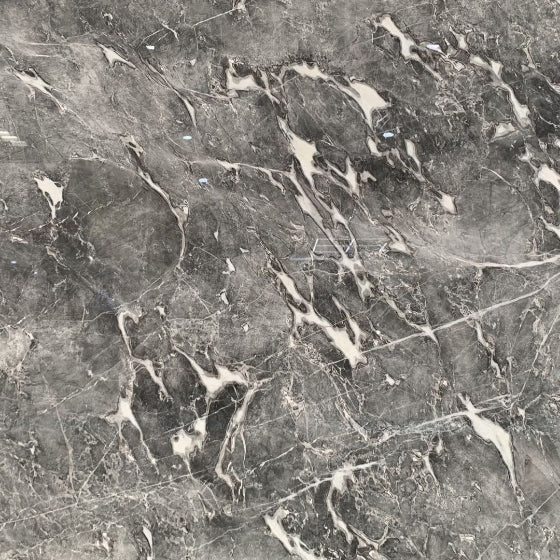
Laminated Natural Stone (Porcelain-Backed)
Laminated stone combines
a thin layer of real stone with a porcelain base. This achieves the authenticity of natural stone with added strength, stability, and ease of installation - ideal for large-format designs or commercial builds.
Best for: Feature walls, large panels, and commercial interiors.
Benefits: Real stone surface, lightweight, strong, and easy to handle.
Tile Finishes
A tile’s finish affects its texture, reflectivity, and feel - influencing both the appearance and practicality of the surface. Choosing the right finish depends on where the tile will be used and the look you want to achieve.
Soft Honed
Soft honed tiles have a smooth, velvety surface with a subtle sheen. They feel refined and tactile without being glossy.
Best for: Bathrooms, living areas, and feature walls.
Benefits: Elegant appearance, smooth touch, low maintenance.
Honed
A honed finish offers a
satin-like surface that’s smooth and flat but not reflective. It strikes a
balance between gloss and matt.
Best for: Internal floors and walls. (Check slip rating for suitability)
Benefits: Modern, easy to clean, and soft in appearance.

External / Non-Slip
These tiles are specifically designed for areas exposed to water or outdoor conditions, providing extra traction and durability.
Best for: Pool surrounds, walkways, and commercial entrances.
Benefits: High slip resistance, long-lasting, and weatherproof.
Gloss
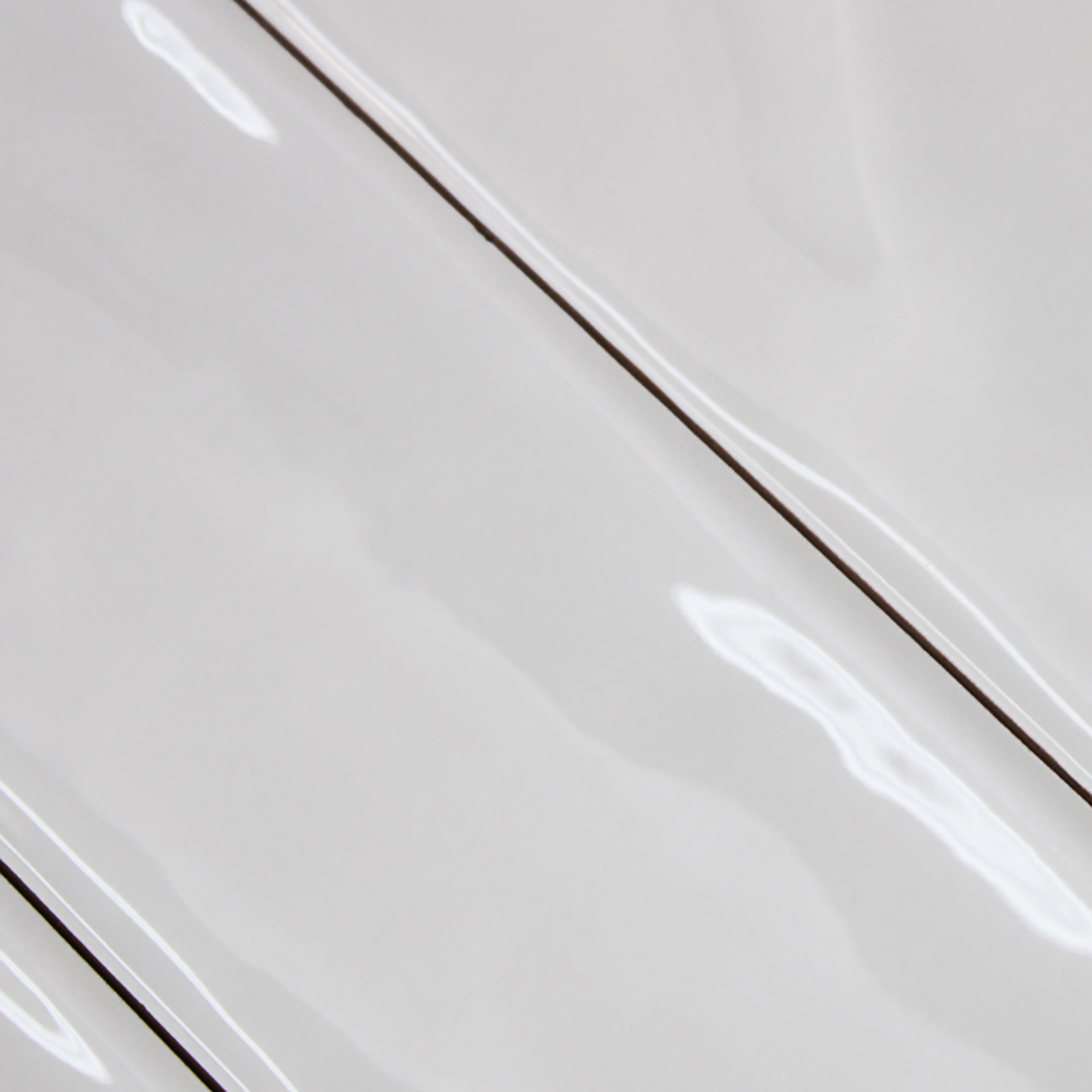
Gloss tiles have a reflective, light-catching surface that can make smaller spaces feel brighter and larger.
Best for: Walls and splashbacks.
Benefits: Brightens spaces, easy to wipe clean, adds visual depth.
Matt
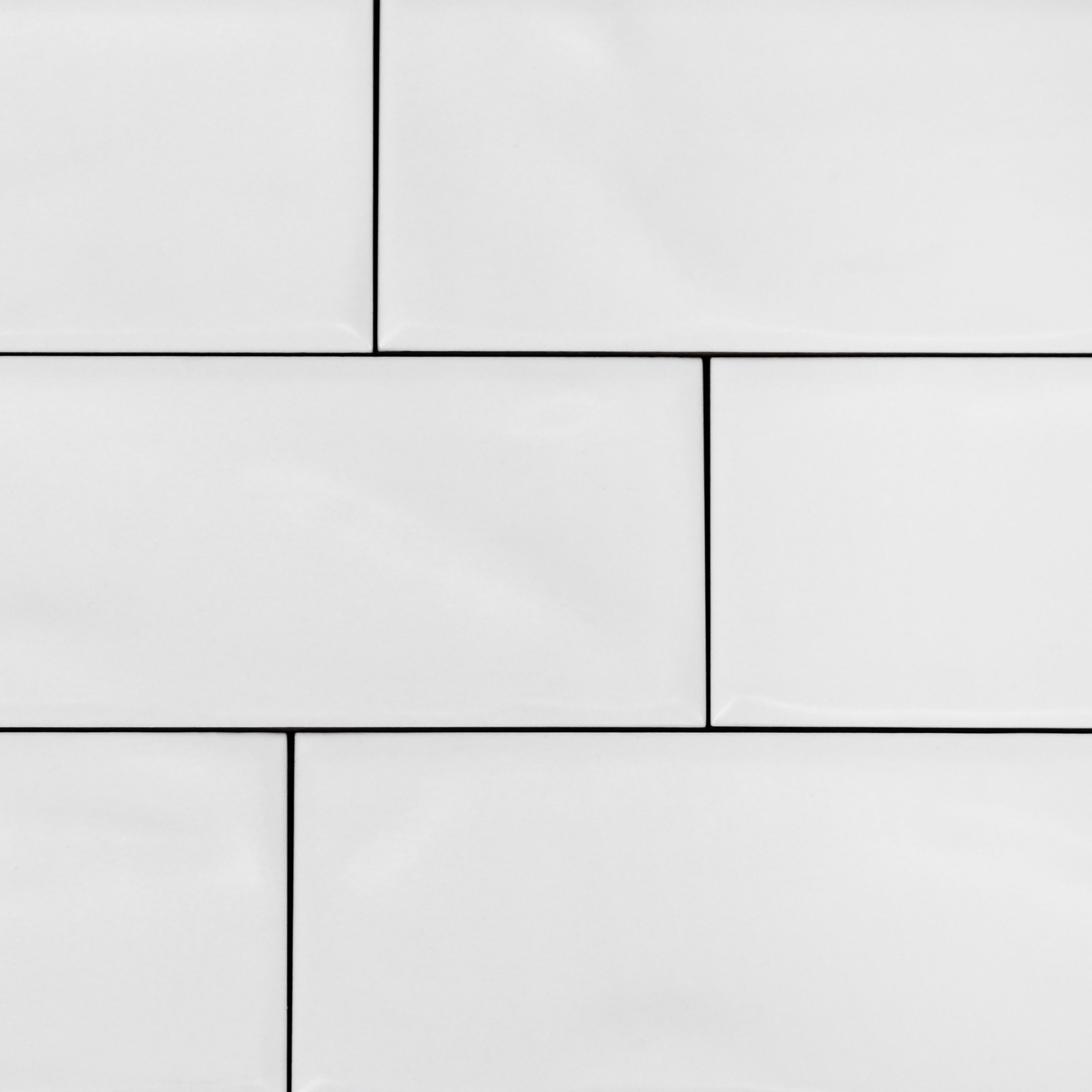
Matt tiles offer a soft, non-reflective finish that feels natural and understated. They’re ideal for contemporary interiors.
Best for: Floors and walls in homes and commercial spaces.
Benefits: Subtle look, good traction, and hides marks or water spots.
3D Honed
3D honed tiles feature
gentle textural depth, highlighting the natural variations within the material.
This adds visual interest and dimension.
Best for: Feature walls and architectural surfaces.
Benefits: Adds texture and tactility, enhances material character.
Slip Ratings
A slip rating measures how much traction a tile provides underfoot, especially when wet. It helps ensure safety and compliance in both residential and commercial spaces.
Slip resistance is tested and classified as P2, P3, P4, or P5 — the higher the rating, the more slip-resistant the surface.
Some tiles include dual ratings such as P3 (Dry) / P4 (Wet) — meaning they offer greater slip resistance when wet, making them ideal for spaces that transition between indoors and outdoors.
How slip ratings are tested
In Australia, slip resistance is assessed under AS 4586, the national standard for classifying pedestrian surfaces. The most common method is the wet pendulum test, which simulates a pedestrian heel strike on a wet surface: a swinging arm fitted with a rubber slider is dragged across the tile, and the resistance it meets is recorded as a Slip Resistance Value (SRV). Five test readings are averaged to produce the tile's official P classification, from P0 (lowest grip) to P5 (highest).
Where a minimum slip rating is required
Slip resistance isn't just a comfort preference — for stairs, ramps and some high-risk wet areas, it's a National Construction Code (NCC) requirement, regardless of whether the building is residential or commercial:
- Ramps up to a 1:14 gradient: P3 (or R10) dry, P4 (or R11) wet
- Ramps steeper than 1:14 (up to 1:8): P4 (or R11) dry, P5 (or R12) wet
- Pool surrounds and other high-risk wet areas: typically P4–P5
Beyond these specific areas, there's no mandated minimum slip rating for a general residential floor - the P ratings below are our recommendation, not a compliance requirement. Commercial and public-access projects are a different story: general trafficable areas often carry their own obligations through Work Health and Safety requirements, building certifiers and insurers, even where the NCC itself doesn't set an explicit number. If you're specifying for a commercial project, it's worth confirming the expected rating with your certifier or our team.
P ratings vs R ratings
You may see European product data sheets reference an R rating (R9–R13) instead of, or alongside, a P rating. R ratings come from the oil-wet ramp test, a different method more common in Europe and in some Australian commercial specifications. P and R ratings aren't directly interchangeable, but as a rough guide, R9 sits around P3, R10–R11 around P4, and R12–R13 around P5. If a project spec calls for a specific rating type, we can confirm which of our products meet it — get in touch and our team will check.
Does slip resistance change over time?
Yes. Slip resistance can reduce gradually with wear, surface polishing from foot traffic, or a build-up of soap scum, sealants and cleaning product residue — particularly on honed or polished finishes. Regular cleaning with a pH-neutral cleaner and resealing natural stone as needed helps maintain the tile's original rating. If a surface feels less grippy than expected over time, it's worth reviewing your cleaning routine before assuming the tile itself has changed.

Slip Rating Reference Guide
Indoor, dry areas. Suitable for bedrooms and living areas. Can be used in some residential wet or outdoor areas, but may be slippery when wet. |
|
General internal floors. Common in kitchens and bathrooms with moderate slip resistance. |
|
Outdoor and wet zones. Great for outdoor entertaining areas, bathrooms, and light commercial use. |
|
High-risk or commercial areas. Maximum slip resistance for pool surrounds, ramps, and public spaces. |
How to Choose the Right Combination
- Kitchens & Living Areas: Porcelain or laminated stone, honed or matt finish, P3–P4 slip rating.
- Bathrooms: Porcelain or natural stone, soft honed or in/out finish, P3–P4 slip rating.
- Outdoors: Porcelain or natural stone, non-slip or in/out finish, P4–P5 slip rating.
- Commercial Projects: High-durability porcelain, natural or laminated stone, appropriate slip rating for traffic level.
For guidance on the best combination of material, finish, and slip rating for your project, our team is here to help.
Frequently Asked Questions
A P rating is a slip resistance classification from P0 to P5, tested under Australian Standard AS 4586 using the wet pendulum test. The higher the number, the more grip the surface provides when wet.
There's no legal minimum for a residential bathroom floor, but we'd recommend P3 or higher, and P4 for wet areas like inside a shower recess. It's a safety recommendation, not a compliance requirement.
Pool surrounds are a high-risk wet area and typically require P4 to P5, the highest levels of slip resistance for pedestrian surfaces.
P ratings come from the Australian wet pendulum test (AS 4586) and are the standard reference for Australian projects. R ratings come from the European oil-wet ramp test and appear more often on imported product data sheets. They use different scales and aren't a direct one-to-one conversion, so always check which standard your project specifies.
Yes. Wear, polishing from foot traffic, and residue from cleaning products or sealants can gradually reduce slip resistance, especially on honed or polished finishes. Regular cleaning and resealing (for natural stone) helps preserve the original rating.
Yes, natural stone is tested under the same AS 4586 wet pendulum method. However, because natural stone is porous and its finish (honed, tumbled, brushed) has a bigger impact on grip than with porcelain, it's worth checking the specific rating for each finish rather than assuming all stone performs the same.
Not always. Honed finishes are smooth with a soft sheen, and many are rated for internal use only. Check the individual product's P rating before specifying a honed tile for an outdoor or pool area - we can point you to an in/out or non-slip finish with a comparable look if needed.
Generally yes. Commercial and public-access projects are more likely to fall under NCC slip resistance requirements (entries, ramps, stairs, wet areas), and insurers and building certifiers commonly ask for documented P ratings. Talk to our team about the right rating for your project type.